
Editorial
Public Speaking Begins with One Sentence
Every speaker you admire once stood with shaking hands. This article shows how one brave sentence, a simple structure and safe practice can carry you onto the stage.
By Arjun Malhotra (R&D Team, Lingobotix) | November 2026
Ask a classroom of students who would like to speak on stage, and most heads will go down. The stage feels like a mountain. The microphone feels like an enemy. Yet every great speaker you admire — every teacher, leader, and storyteller — once stood exactly where you stand, with shaking hands and a dry throat, wondering if the first sentence would ever come out.
Public speaking does not begin with a great speech. It begins with one sentence, spoken bravely, in front of people who are listening. If you can say one sentence, you can say two. If you can say two, a small speech is already on its way. The secret is not talent. The secret is starting small and starting honestly.
1. Why the Stage Feels So Frightening
Fear of speaking is not a weakness; it is one of the most common fears in the world. Even experienced speakers feel their heart beat faster before an important talk. The fear comes from a simple thought: everyone is watching me, and everyone will judge me.
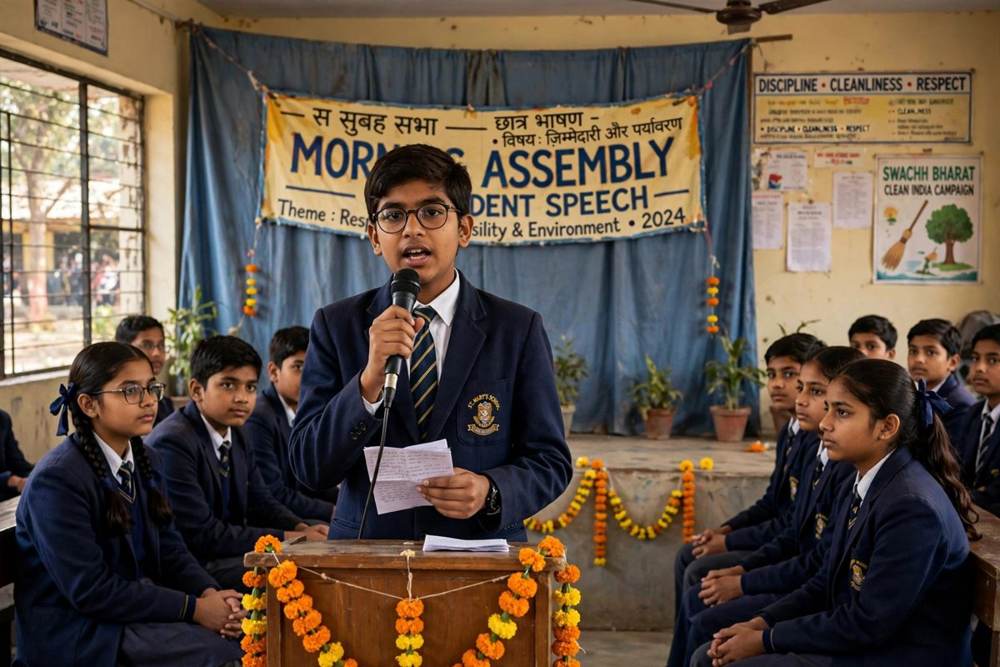
But audiences are kinder than we imagine. When a young student walks onto a school stage, the teachers and classmates are not waiting to catch mistakes. They are hoping the speaker does well. They remember their own nervous days. A smile from the audience is not rare — we simply forget to look for it because we stare at our paper.
Knowing this changes everything. The stage is not a courtroom. It is a conversation, only a little larger and a little louder.
2. Build Your Speech Like a Small House
A good short speech has three parts, just like a small house has a floor, walls, and a roof. First, a warm opening: greet everyone and say clearly what you will speak about. "Respected Principal, teachers, and my dear friends, today I will speak about the value of trees." One clear sentence, and your house has begun.
Next, the body: two or three main points, each in simple words, each with a small example or story. Stories are the best friends of a speaker. People forget lists, but they remember the day your grandfather planted a mango tree. Speak slowly between points, and let the audience travel with you.
Finally, the closing: thank the listeners and end with one line they can carry home. A strong last sentence feels like a roof — it completes the house and shelters everything you said.
3. Practise in Safe Places First
No one should begin on a big stage. Begin in safe places. Speak for one minute before your family at dinner. Read a paragraph aloud to a friend. Take part in morning assembly readings, classroom answers, and small group presentations. Each small success teaches your mind that speaking is safe.
Practise your speech standing, not sitting, and practise it aloud, not silently in your head. Silent practice hides the difficult words; aloud practice reveals them while there is still time to fix them. Record yourself once, listen without anger, and improve one thing at a time.
When your day on stage finally comes, look at one friendly face, breathe, and deliver your first sentence slowly. That sentence is the key that unlocks all the others. Behind it stands the whole speech you prepared — and a speaker you may not have met yet: yourself, confident and clear.